Beta Edition
Friday, 27 Feb 2026
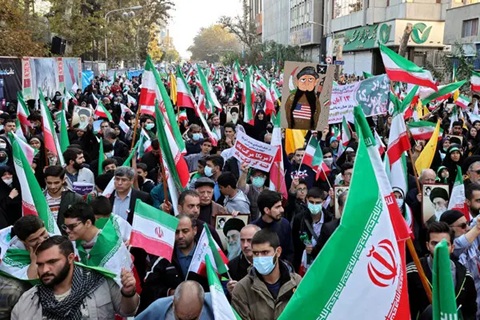
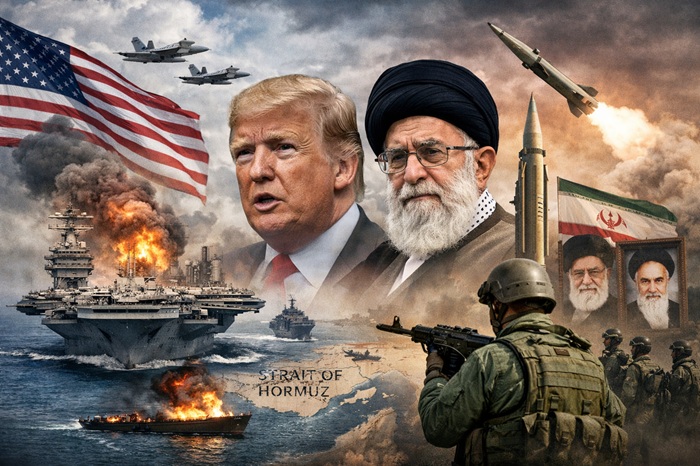
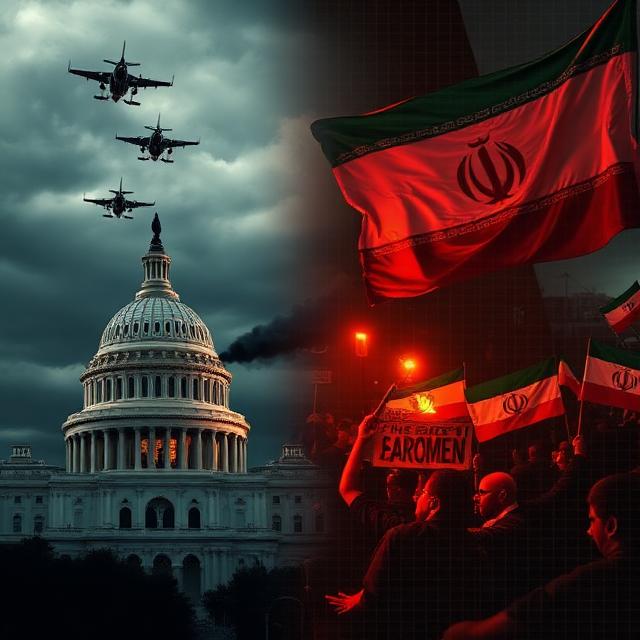
Iran is witnessing government-opposition protests on an unprecedented scale, marking a historic turning point in the 47-year history of the Islamic Republic. Analysts say the movement’s intensity and nationwide spread are unmatched, with demonstrators now demanding the removal of Supreme Leader Ayatollah Ali Khamenei and his government.
The unrest, which began over economic grievances, has rapidly grown to encompass major cities and remote towns alike, drawing middle-class citizens, laborers, and youth into the streets. Protesters are chanting—“Down with tyranny”—creating a scene unseen in Iran’s political landscape.
While skyrocketing inflation, a plunging rial, and economic hardship initially triggered strikes by Tehran’s merchants, the protests have evolved into a direct challenge to the ruling establishment.
This wave of dissent is further energized by exiled Iranian leader Reza Pahlavi, whose support—though not aimed at restoring the monarchy—is providing organizational strength and a sense of continuity for the movement.
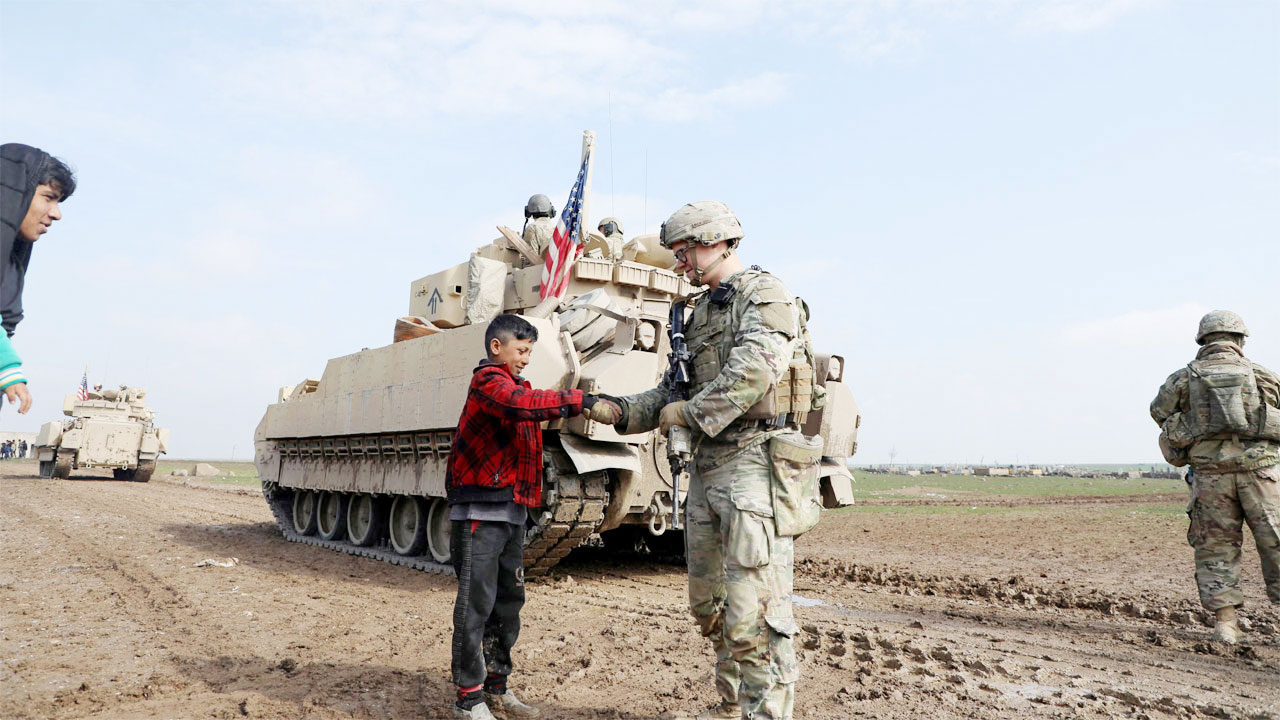
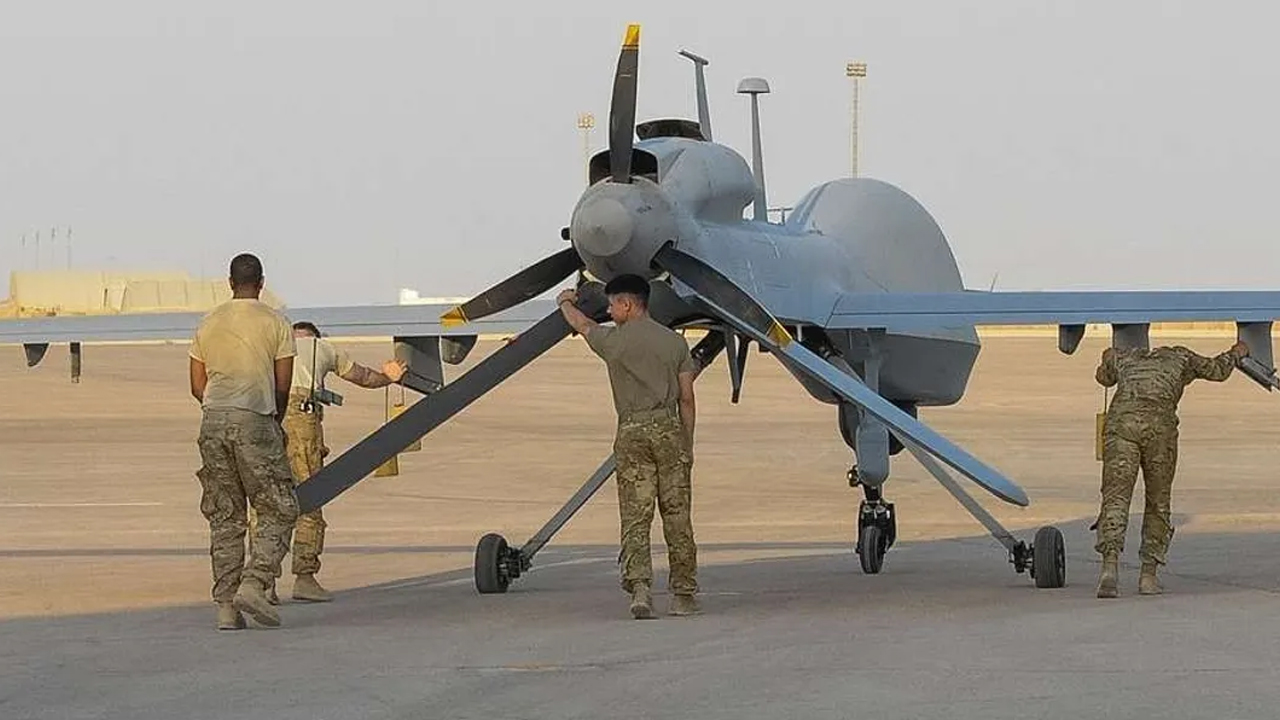
U.S. President Donald Trump has openly backed the protesters and issued threats against Iran, a move that has no precedent in prior uprisings. In response, Tehran has warned of attacks on American interests and allies in the region.
Analysts note that recent regional conflicts, the weakening of Iran’s allies, and domestic grievances have converged to create a uniquely fragile political environment. Women taking to the streets despite government repression represent the movement’s most significant gain, signaling a newfound resilience against state intimidation.
Across Iran, this protest movement is now shaping up to become a transformative chapter in the nation’s political history.